The Mass VMware Exodus That Never Was: The Squeeze Is Just Beginning
Broadcom Did the Math. They’re Fine Losing You.
Two years ago, the industry predicted a mass exodus from VMware. It never came—at least not the way anyone expected. The predicted stampede became a calculated retreat.
But here’s what the analysts missed: the exodus IS happening—one workload at a time, one renewal cycle at a time, one frustrated IT leader at a time. And Broadcom? They planned for exactly this.
Their strategy was never to keep every customer. It was to maximize value from those still on the platform while the market slowly diversifies. The model assumes churn and it’s built to make the economics work anyway. Broadcom has done the math—and they’re fine with it.
This creates a brutal equation for IT leaders: those who move early will escape while leverage still exists. And those who wait will be the ones paying premium prices as the customer base shrinks and the squeeze intensifies.
The bully took your lunch money. Everyone can see he’s coming back. The question is: will you be gone before he does?
This study, commissioned by CloudBolt and conducted by an independent third-party research firm, examines where 302 IT decision-makers stand two years into the Broadcom era—what they expected, what actually happened, and what they’re doing about it.
The data reveals a market that has moved from panic to execution, from denial to acceptance. The race is on. There will be winners. There will be losers. The difference is measured in how fast you can build optionality.
The Three Numbers That Tell the Story
The Adrenaline Fades
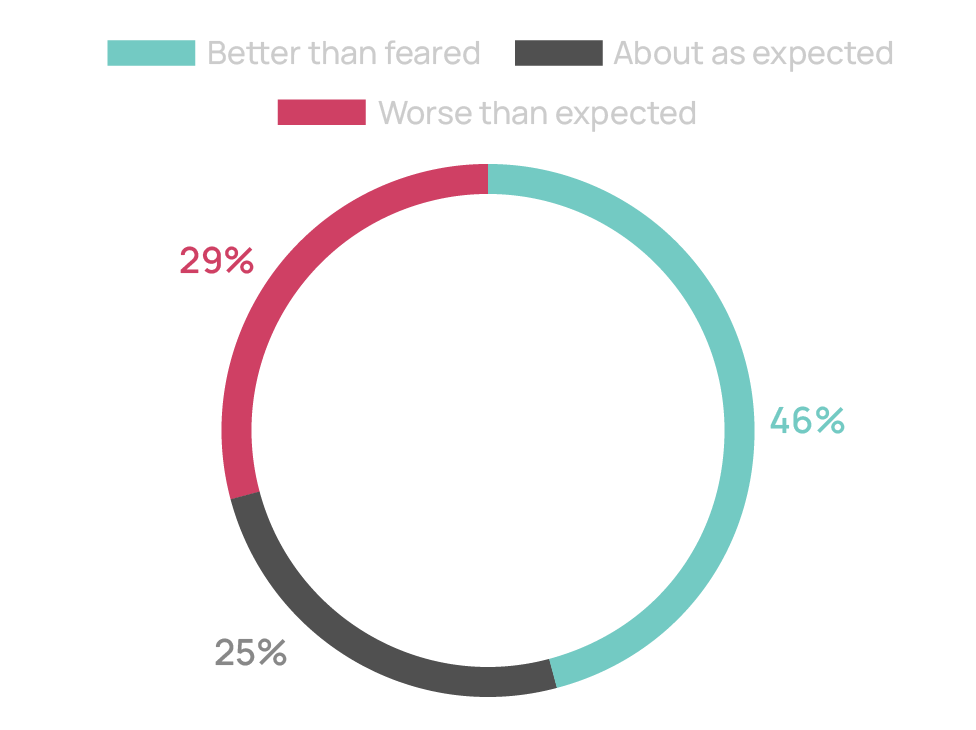
The initial shock response has metabolized. In 2024, we measured fear—99% expressed concern, 73% expected costs to more than double. In 2026, we’re measuring execution. The drop from “extremely/very disruptive” (46% → 25%) isn’t apathy—it’s adaptation. Organizations have moved through the Kübler-Ross stages and landed on acceptance… or at least pragmatic resignation.
The anesthesia is wearing off, and the hospital bill just arrived.
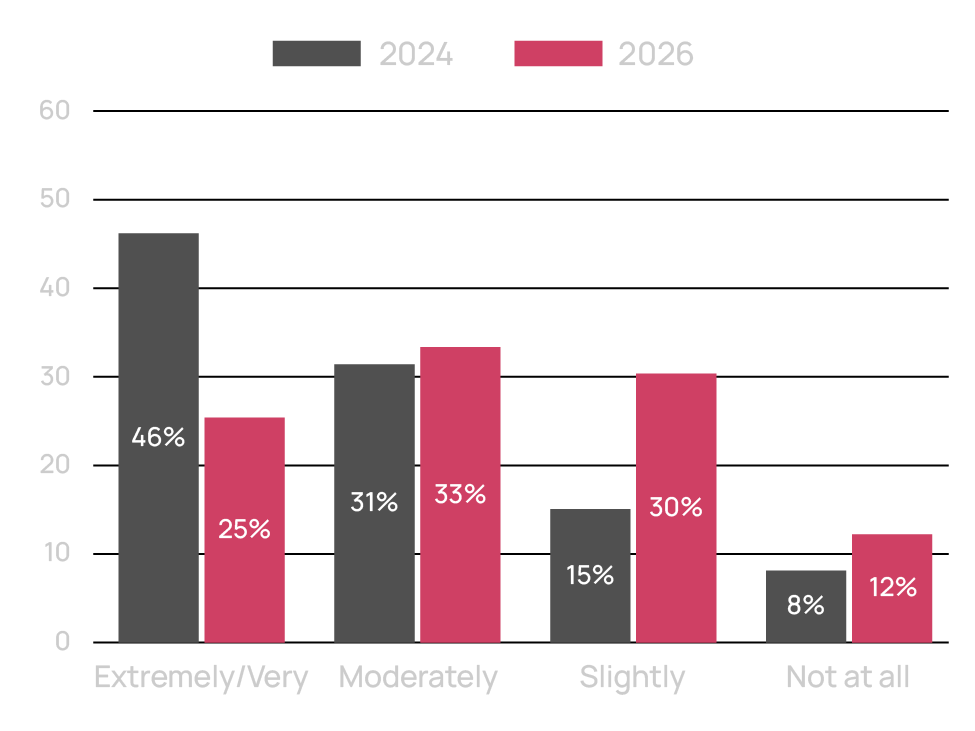
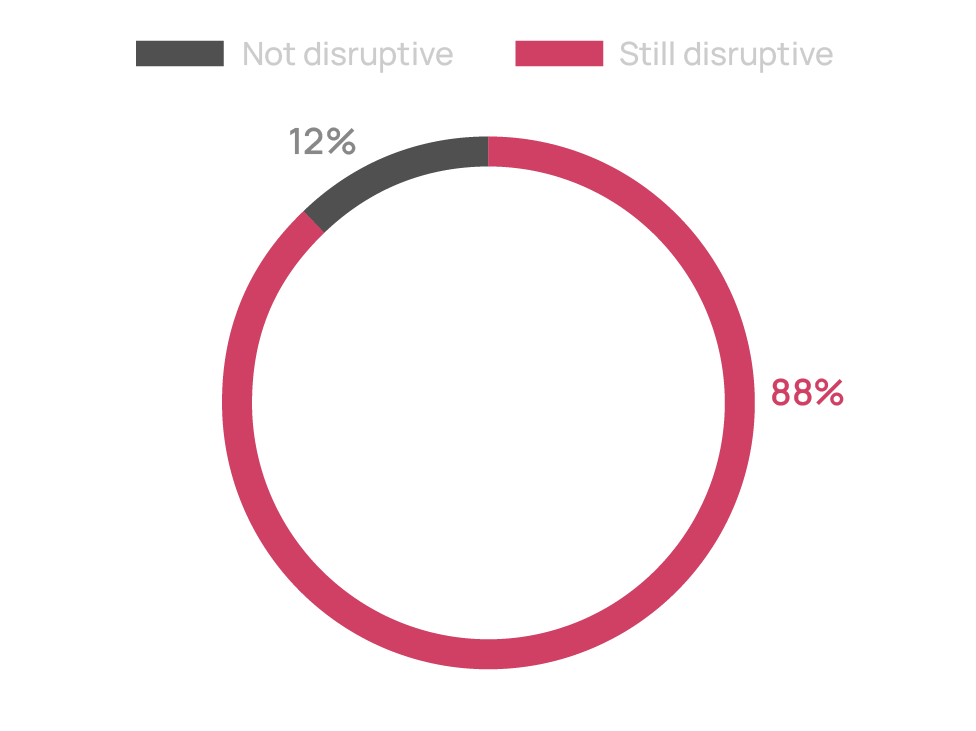
“Looking back over the past two years, the Broadcom acquisition has been moderately disruptive. The acquisition has caused us a lot of disruption in employee morale and operations. Sometimes training new employees to use these platforms is challenging.”
The Adaptation Paradox
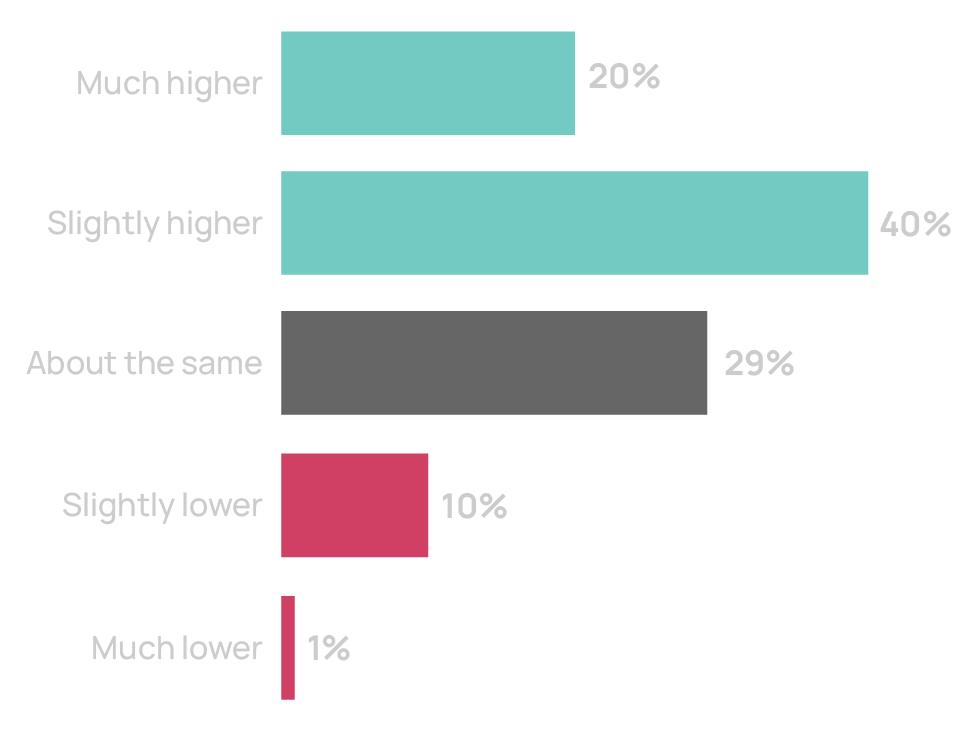
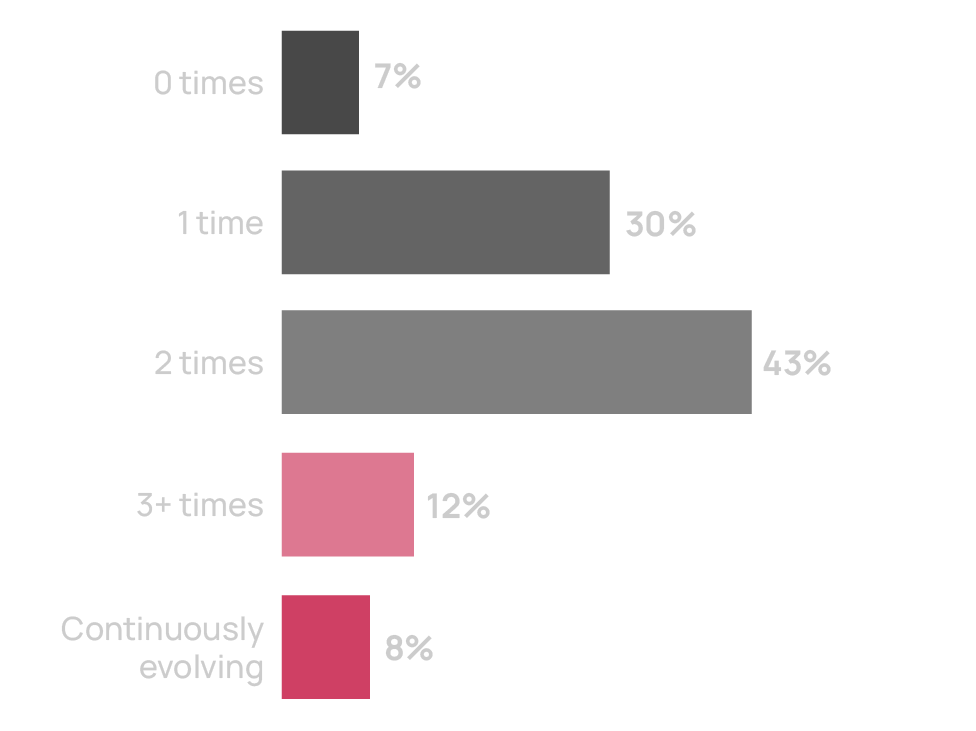
Despite the chaos, 60% report higher confidence in their VMware strategy than in 2024. But this confidence comes at a cost: 63% have changed their strategy two or more times since the acquisition. The fire alarm stopped blaring—but the building is still on fire. Two years in, IT leaders have stopped asking “will this hurt?” and started asking “what does it take to get out?”
The Price Reality
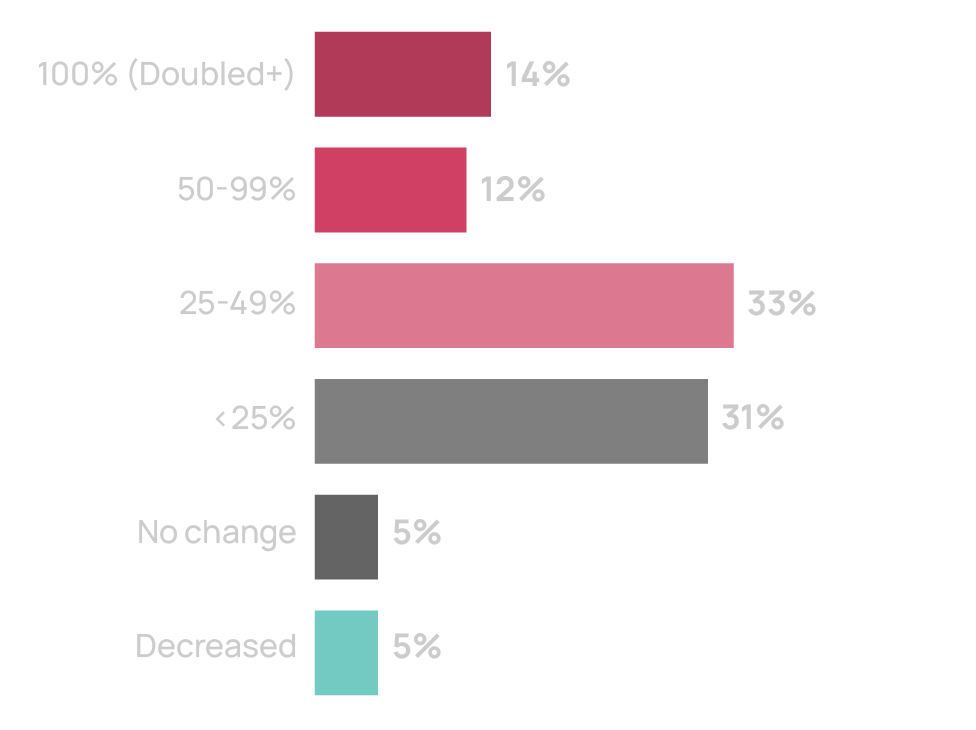
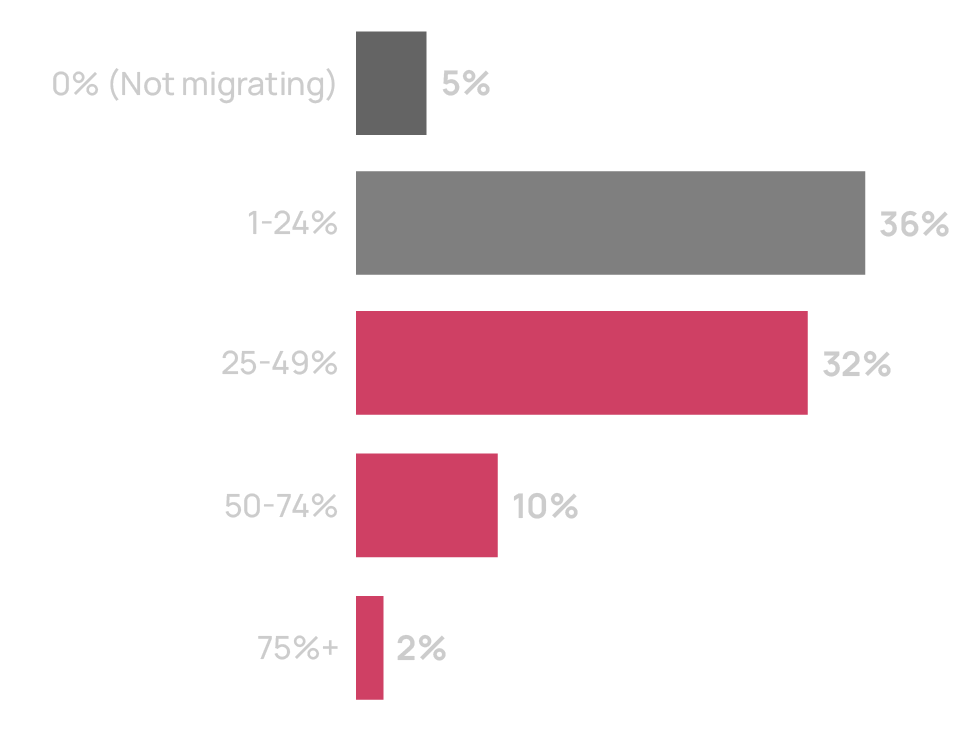
The apocalypse was oversold—but the pain is real. 59% experienced cost increases greater than 25%. The median landed at 25-49%, not the feared 200%+. But here’s the thing: when the bully only takes half your lunch money instead of all of it, you don’t feel grateful. You still got robbed.
“The change from ongoing licenses to all-or-nothing subscription bundles has transformed our predictable CapEx into a volatile OpEx liability. We have observed a 400% to 700% increase in costs in certain enterprise cases.”
“Largely disruptive, pricing increases of 350 percent YoY with very little notice and very little customer service to help mitigate.”
Ready to Build Your Exit Strategy?
The winners are already moving. Don’t be the last one negotiating with the bully.
Get a DemoThe Reckoning with the Rack
The acquisition forced a conversation enterprises had been avoiding for years: What are we actually doing with our on-premises infrastructure? Broadcom didn’t cause the cloud migration—they accelerated a decision that was already overdue. When faced with 25-49% cost increases, many organizations finally asked: “Why are we still running this on our own hardware?”
The Cloud Accelerant
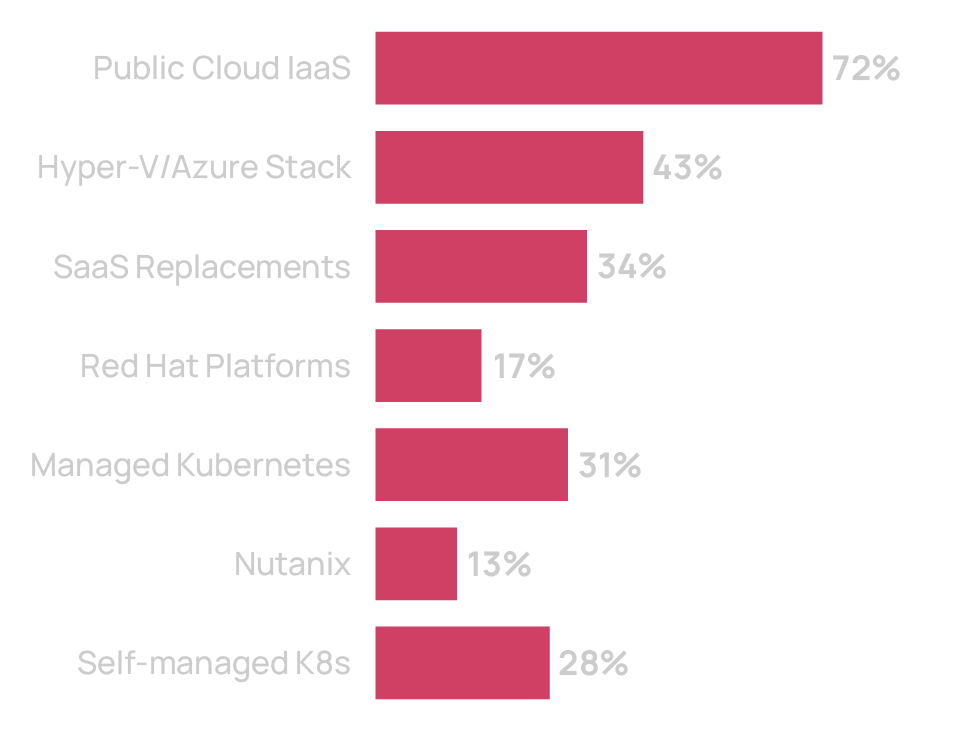
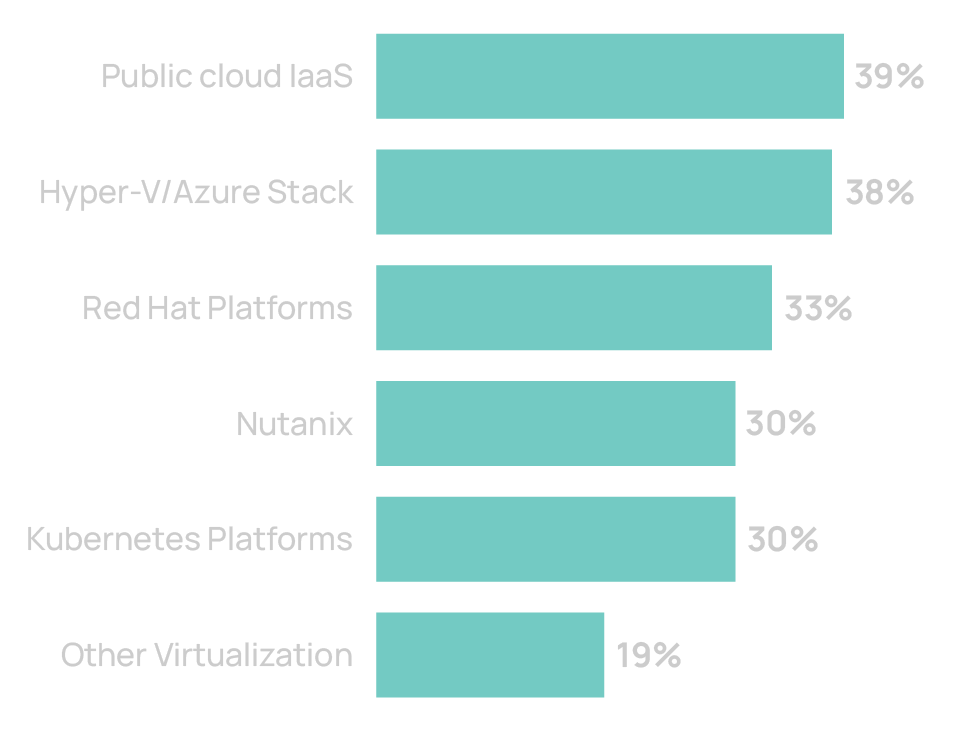
72% of migrating workloads are headed to public cloud IaaS—not alternative hypervisors. Public cloud is the primary destination, with Hyper-V/Azure Stack (43%) and SaaS replacements (34%) trailing. The exodus is happening—just in slow motion.
Why Alternatives Keep Failing
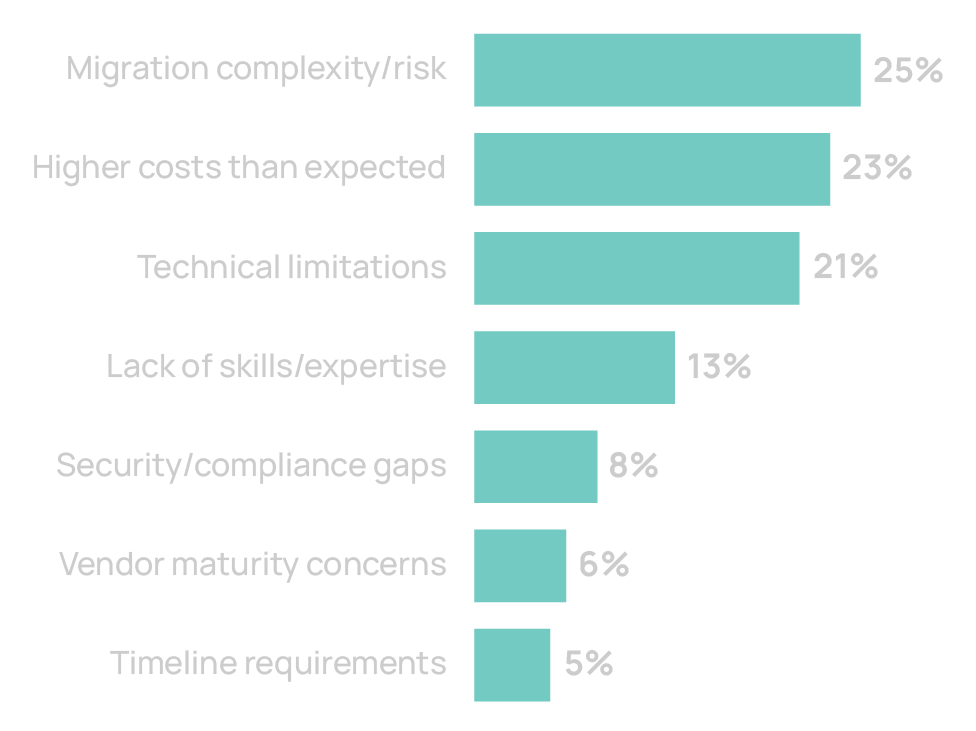
Organizations aren’t finding easy escapes. The top deal-breakers: migration complexity/risk (25%), higher costs than expected (23%), and technical limitations (21%). But here’s the silver lining: 62% say these obstacles are “challenging but doable”—not impossible. The path exists; it’s just longer than anyone hoped.
The Slow Exodus and the Tightening Grip
Broadcom’s approach looks like managed attrition in practice: higher prices, tighter bundles, and a customer base that is increasingly planning its exit. The irony is that the model can perform financially even as strategic dependence erodes—because the squeeze concentrates on the organizations that stay longest.
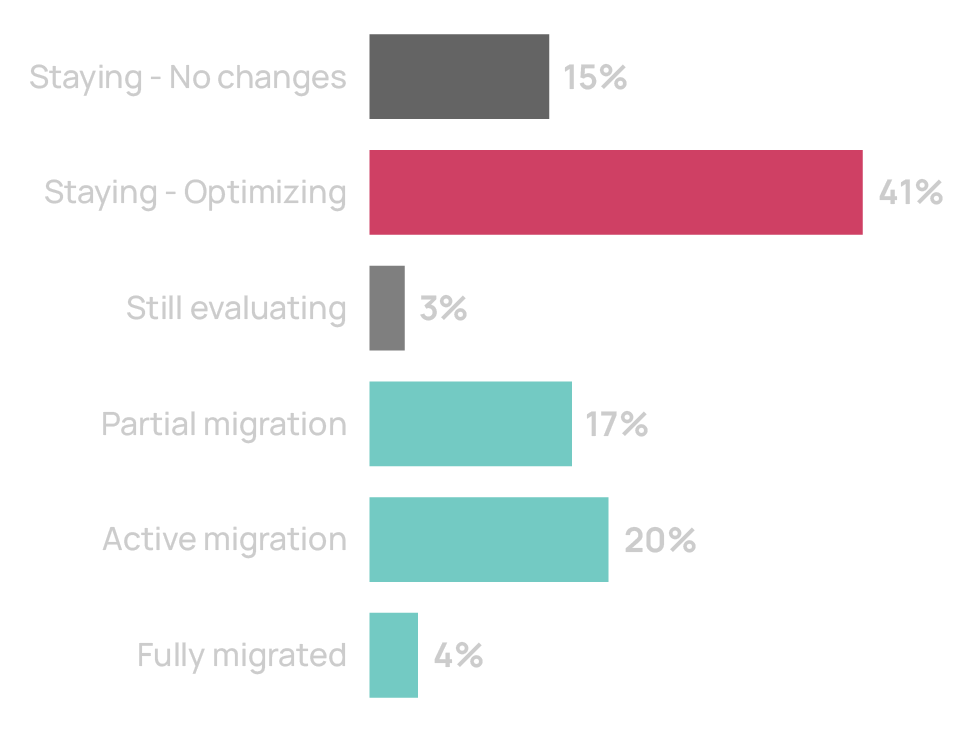
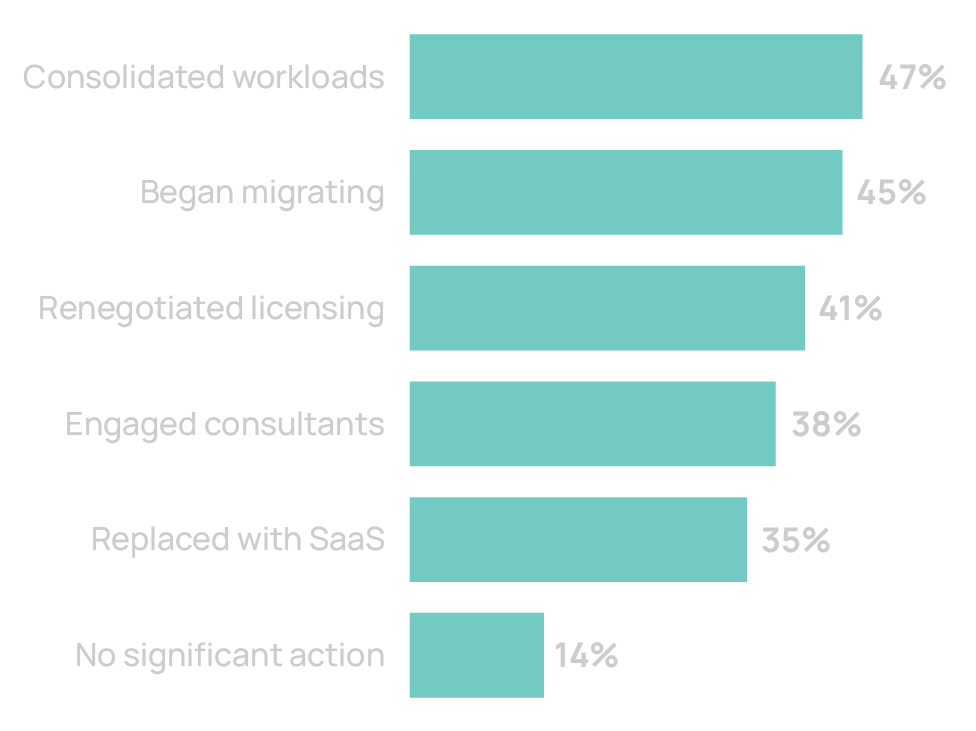
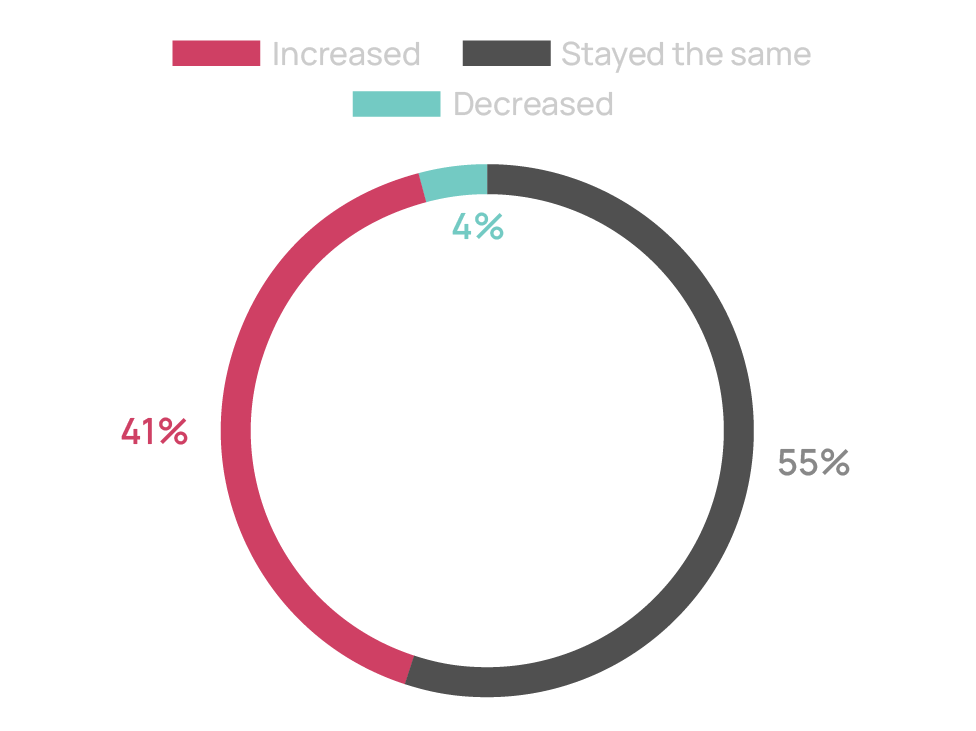
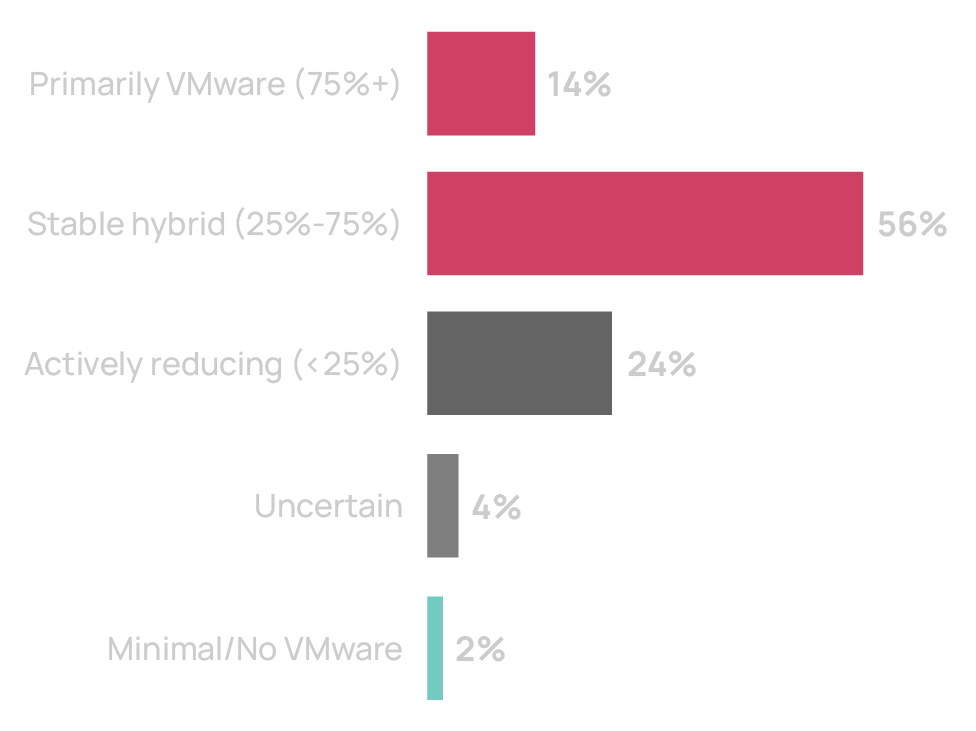
Here’s the tension: Only 4% have completed a full migration away. But 41% are staying with VMware while actively optimizing their footprint. The exodus is happening—it’s just a long journey, not a sprint.
The Boardroom Is Watching
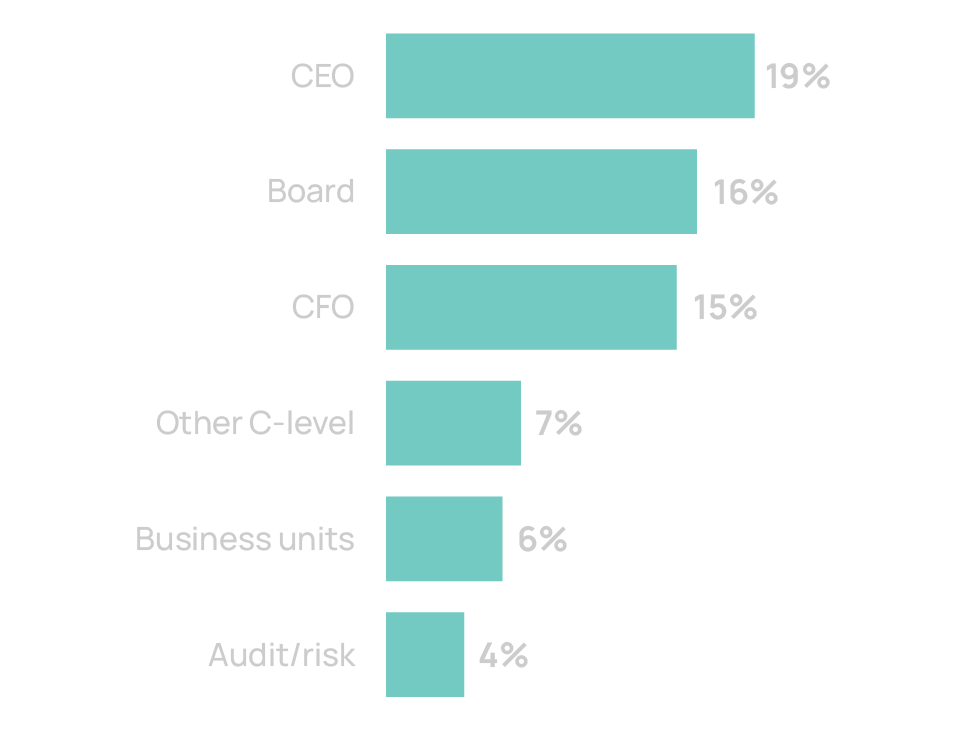
41% report increased executive pressure since the acquisition. The CEO (19%) and CFO (15%) are the most common sources of that pressure. VMware strategy has become a board-level conversation—and careers are on the line. “1000% pressure—it could mean your job.”
“The process of unwinding a decade of process dependencies is taking 18-24 months. This sideways abstraction is far more complex than a standard cloud lift-and-shift, leading to a significant loss of confidence in our ability to exit quickly enough to avoid the next renewal cliff.”
“We have come to the realization that the transition from VMware is not an undertaking that can be measured in months, but rather a long-term marathon.”
What’s Next: The Decision Window
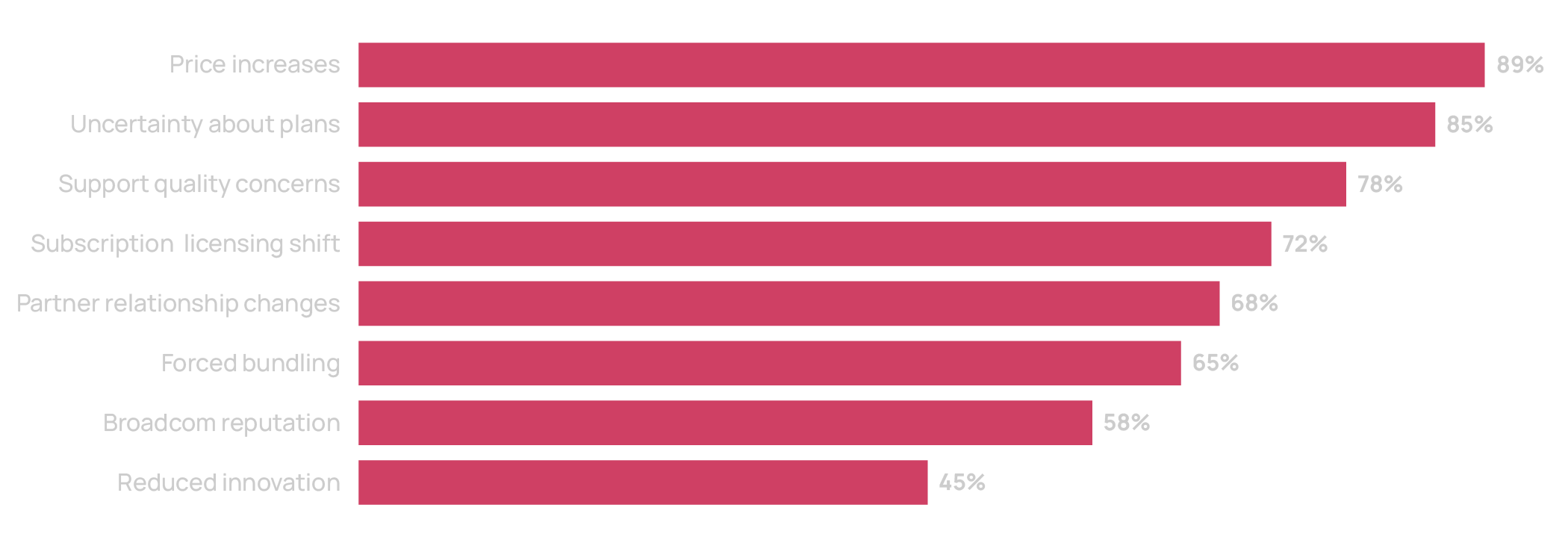
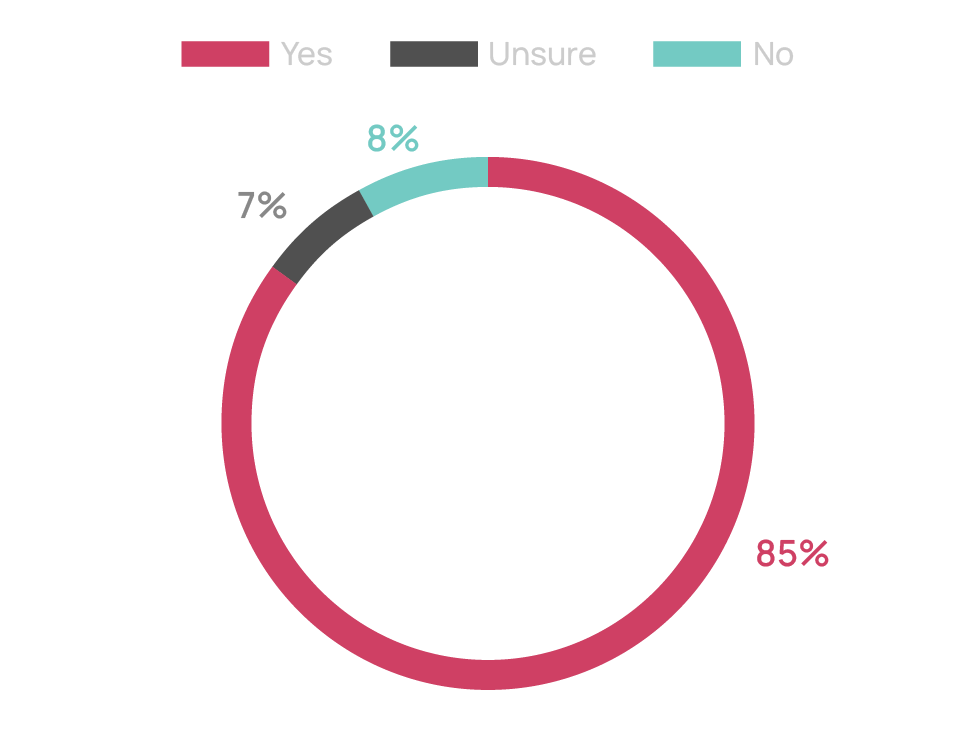
85% remain worried about future Broadcom price increases. The squeeze will continue. And here’s the brutal truth: there will be winners and losers. The winners are already moving—they’re 30% migrated, building optionality, treating this as a multi-year strategic program. The losers? They’ll be dealing with the bully for a decade, paying whatever Broadcom demands.
Risk Exposure: New Challenges in a Multi-Platform World
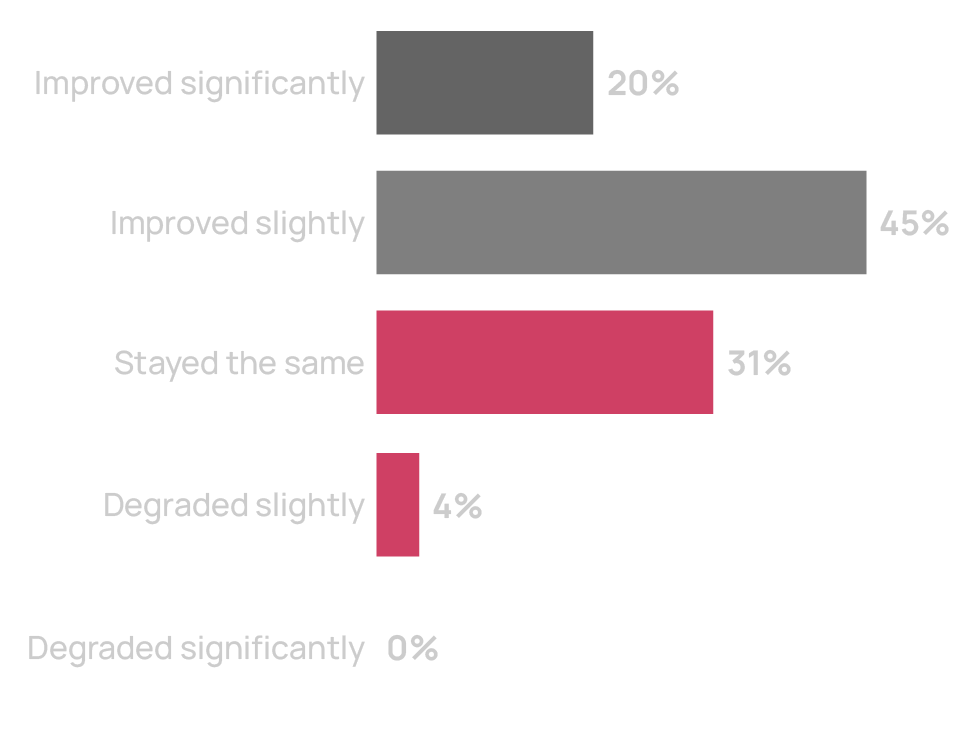
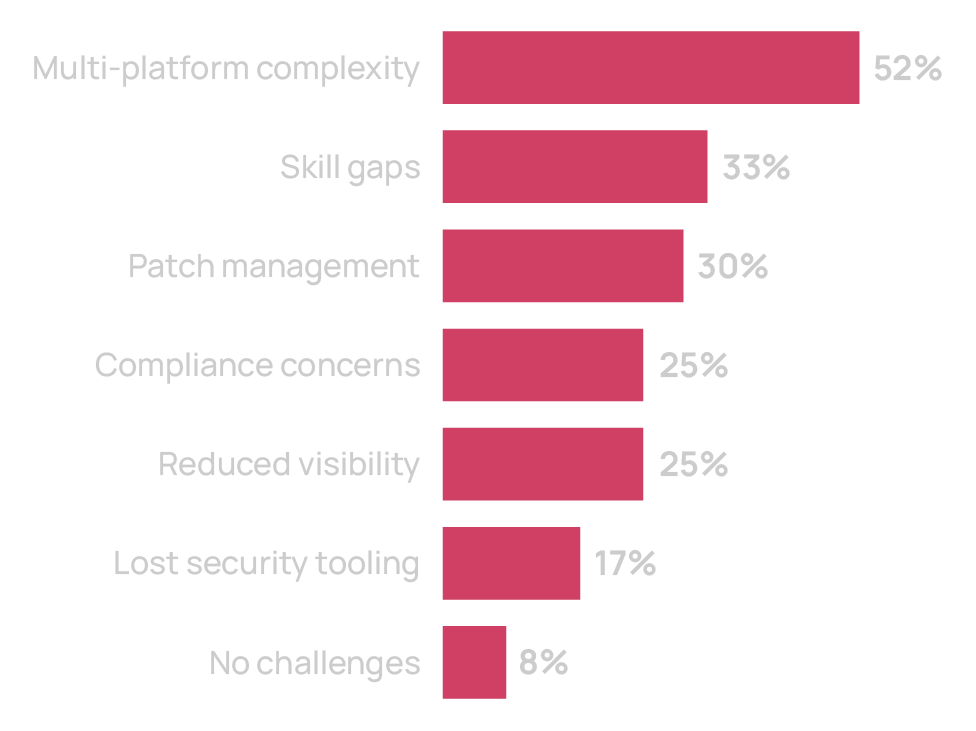
Despite the chaos, 65% report improved risk posture since the acquisition. But it comes with new challenges: multi-platform complexity (52%) and skills gaps (33%) top the list. As organizations diversify away from VMware, they inherit the operational burden of managing multiple platforms with different operational and governance models.
The Race Is On
Gartner projects VMware market share to fall from ~70% in 2024 to ~40% by 2029. That’s a massive shift—but it’s happening one workload at a time. The question isn’t whether the exodus will happen. It’s whether you’ll be a winner who got out early, or a loser still negotiating with the bully in 2030.
“We no longer view the subscription model of the VCF bundles as negotiable. We have accepted that Broadcom is running a high-margin utility model. This clarity, while painful, has allowed us to stop hoping and start building.”
“Executive leadership pressure has definitely increased. VMware has become a regular topic at the leadership level. There’s more scrutiny around spend, more questions about vendor risk, and a stronger expectation that we have a clear, defensible strategy rather than just maintaining the status quo.”
Don’t Be the Last One Negotiating with the Bully
Whether you’re optimizing costs, building alternatives, or executing a multi-year migration strategy, CloudBolt helps you build leverage—faster visibility, governed automation, and a safer path to optionality.
Start Building Your Exit StrategyMethodology
This research was commissioned by CloudBolt and conducted by an independent third-party research firm. The study surveyed 302 IT decision-makers at the Director level and above with primary decision-making authority on VMware-related decisions at companies with 1,000+ employees in North America. Data was collected in January 2026 through structured surveys and in-depth conversational interviews. This report compares findings against CloudBolt’s 2024 baseline study conducted six months after the Broadcom acquisition.