Run the cloud like you own It: Cutting through the repatriation noise webinar
Repatriation headlines are everywhere.
CFOs are asking pointed questions. Boards want to see the savings. Technical leaders are caught between hype and reality.
For most organizations, repatriation isn’t a strategy — it’s a signal. After years of easy access, rapid scale, and decentralized decision-making, the cloud feels unpredictable and difficult to control.
This webinar brings together field, analyst, and platform perspectives to cut through the noise and reframe the conversation. The real opportunity isn’t to go “back” — it’s to build a control-first operating model that works across any environment.
What You’ll Learn
- Repatriation Reality Check: Why most orgs can’t (and shouldn’t) swing the pendulum back on-prem.
- The Real Pain Point: What’s actually triggering these conversations inside enterprises.
- Strategic Control: How modern CMP platforms bring structure, discipline, and optionality back to the table.
- Analyst Lens: Why CMP is more relevant than ever—and what separates leaders from the noise.
- 2026 Buyer Mindset: The core capabilities that define the next generation of cloud operating models.
Reserve your spot and join us for a grounded conversation on how to lead through the repatriation noise.


Related Blogs
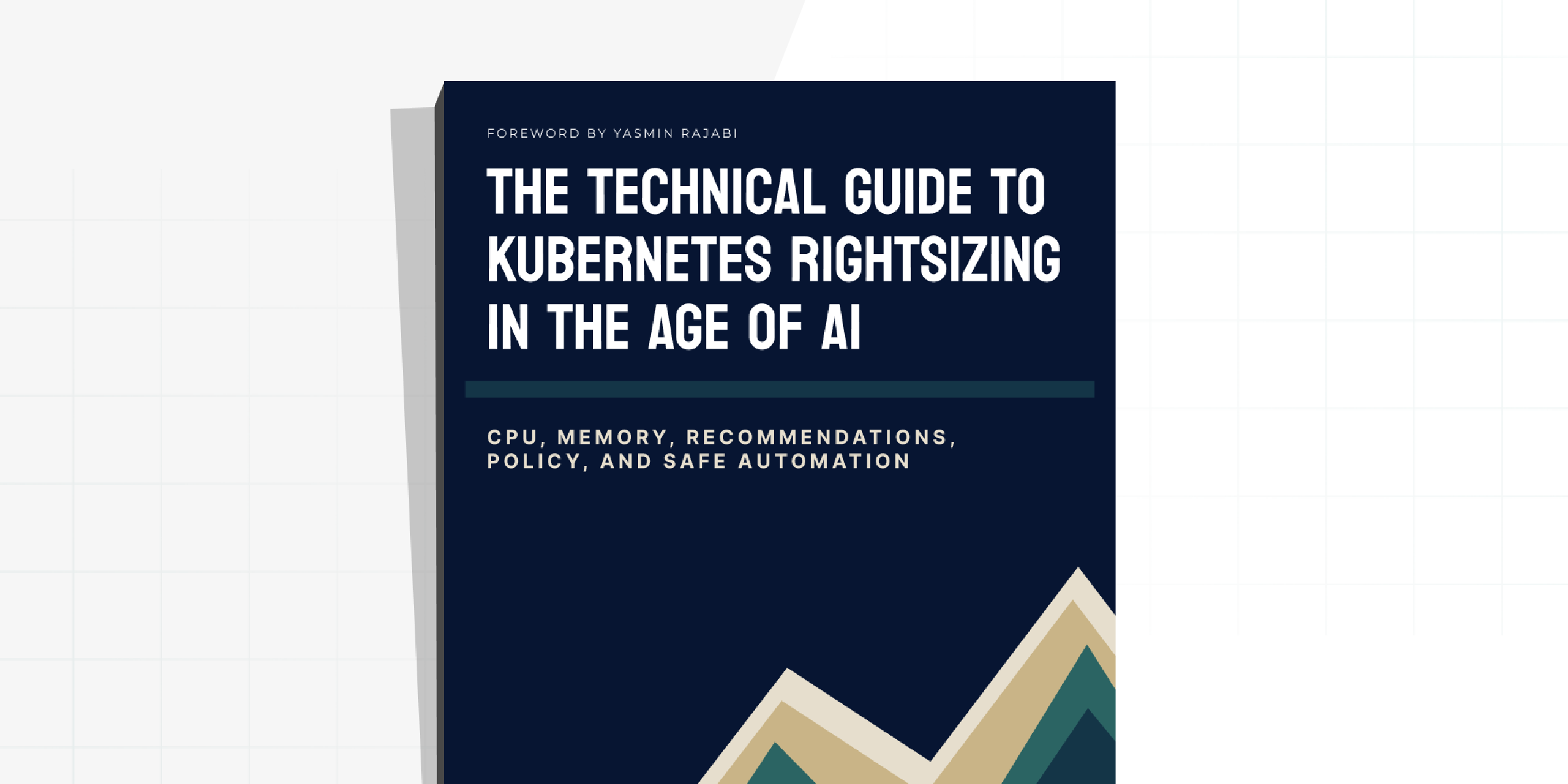
The Technical Guide to Kubernetes Rightsizing from LearnKube
The Technical Guide to Kubernetes Rightsizing from LearnKube is a comprehensive, hands-on guide to safely optimizing CPU and memory across…